
Back to Blog
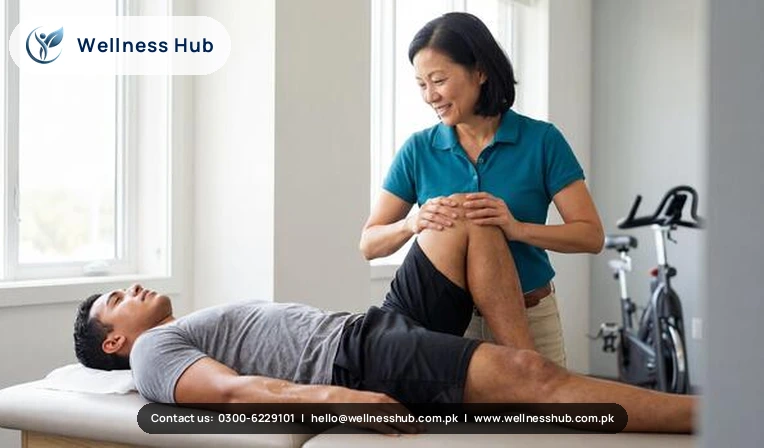
World Obesity Day: How Rising Obesity Is Leading to Early-Onset Joint Problems.
Wellness Hub
Oct 24, 2026
World Obesity Day: How Rising Obesity Is Leading to Early-Onset Joint Problems
There is a painful trend showing up in orthopaedic and physiotherapy clinics across Pakistan. Patients in their early thirties coming in with knee pain that used to belong to their grandparents. Stiff joints at 35. Difficulty climbing stairs at 40. Backs giving out before middle age.
The common thread in most of these cases is weight. Rising obesity is not just a heart and diabetes story. It is quietly becoming a joint story too, and it is starting decades earlier than it should.
How Extra Weight Wears Joints Down
Think of your knees as shock absorbers. Every step you take, they absorb multiples of your body weight. When you walk, each knee takes roughly three to four times your weight in force. Climbing stairs multiplies it further.
Now add 15 or 20 extra kilos. That is not just 20 kilos on the joint. It is 60 to 80 kilos of extra force with every single step, thousands of steps a day, for years. Cartilage, the smooth cushioning inside the joint, wears down under that load. Once it wears thin, bone starts rubbing on bone. That is osteoarthritis.
This is why knee osteoarthritis, once a condition of the sixties, is now appearing in the thirties and forties. The joints are simply carrying loads they were never designed for, far earlier in life.
It Is Not Just the Knees
The damage spreads. Extra weight strains the lower back, which is why so many overweight people live with chronic back pain. Hips wear faster. Ankles and feet take punishment, leading to heel pain and flat feet problems.
There is also inflammation. Fat tissue, especially around the belly, releases inflammatory chemicals into the bloodstream. This low-grade inflammation affects joints throughout the body, even ones that do not carry much weight, like the hands. So obesity damages joints through both mechanical load and chemistry.
Why It Is Starting So Young
The pattern is familiar by now. Sedentary childhoods with more screen time and less outdoor play. University years of fast food and late nights. Desk jobs from the mid-twenties with zero movement. By 35, many Pakistanis have spent a decade barely moving, and the joints have been paying for it quietly the whole time.
Sports injuries add to it. Weekend cricket or football on unfit, overweight bodies tears ligaments and menisci, and injured joints develop arthritis faster. The combination of extra weight plus sudden intense activity is brutal on knees.
Women face an added factor. After childbirth, weight gain combined with the physical demands of carrying and lifting children strains knees and backs early. Without rehabilitation and gradual fitness rebuilding, the damage accumulates.
What Actually Helps
The good news is that joints respond well to the right kind of care, and it is never too late to start.
Low-impact exercise is the hero here. Swimming, cycling, and elliptical training strengthen the muscles around the joints without pounding them. Strong quadriceps, in particular, take enormous pressure off the knees. This is why physiotherapists prescribe leg strengthening for almost every knee patient.
Gradual weight loss is the other half. Even modest weight loss makes a real difference because of that force multiplier. Losing 5 kilos can mean 15 to 20 kilos less force on each knee with every step. The joints feel it quickly.
Physiotherapy deserves more respect than it gets in Pakistan. People wait until they can barely walk before seeing a physio. But early physio, targeted exercises, posture correction, manual therapy, can slow joint damage dramatically and often avoids surgery entirely.
And the basics matter. Proper footwear instead of worn-out chappals. Avoiding prolonged sitting on the floor if your knees hurt. Sleeping in positions that do not twist the joints. Small things, big relief.
Do Not Wait for the Creaking to Get Louder
Joint pain is your body's early warning system. Pain at 32 becomes stiffness at 38 becomes a surgical consultation at 45. The earlier you act, the more options you have.
If your knees ache on stairs, if your back complains every morning, if getting up from the floor has become a project, take it seriously. See a physiotherapist, start low-impact movement, and address the weight. Your joints have to last you a lifetime. Treat them like it.
Wellness Hub members get online physiotherapy consultations as part of their membership, plus lab test discounts to check the vitamin D and inflammation markers that affect joint health. Your knees are carrying you everywhere. Give them some backup.
Call us: 0300-6229101 | Email: hello@wellnesshub.com.pk | Website: www.wellnesshub.com.pk
One network. Infinite wellness.